

Over the summer, we shared an overview of our expert testimony in an Amended Renewable Energy Plan case, U-21813, that could have significant implications for the future of Michigan’s energy landscape.
The Upper Michigan Energy Resources Corporation (UMERC) argued in its amended Renewable Energy Plan filing that compliance with Michigan’s 2023 clean and renewable energy standards would bring tremendous new costs to its existing ratepayers. However, the Citizens Utility Board of Michigan (CUB) argued that the projected costs outlined in UMERC’s filing were not prudent and that the utility’s proposed plans were based on faulty assumptions. CUB argued that UMERC would have sufficient renewable energy resources to comply with the state’s Renewable Portfolio Standard (RPS) by operating Renegade Solar—a 500 acre solar panel project being installed in Delta County—along with 150 MW of new wind resources and renewable energy credit purchases.
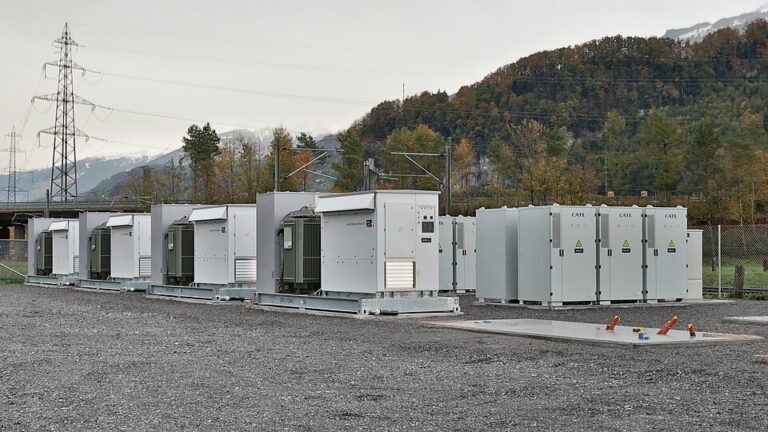
In contrast to our recommendation, UMERC was proposing 500 MW of new wind, 275 MW of new solar in addition to the Renegade project, and new battery energy storage systems with a total capacity of 275 MW. CUB maintained that the UMERC proposal went far beyond the measures necessary for RPS compliance, leading to exorbitant and unnecessary expenses for ratepayers.
In its ruling on Thursday, Dec 18, the Michigan Public Service Commission largely validated CUB’s position by rejecting UMERC’s amended REP. The MPSC pointed out several issues with the utility’s plan:
Inclusion of Excessive Resources and Costs
The Commission agreed that UMERC’s amended REP included renewable energy resources and associated costs that went well beyond what was required to meet Michigan’s RPS The plan attempted to recover costs for resources intended to comply with future clean energy standards, not just the current RPS. Costs related to resources that exceed RPS compliance standards should not be recovered through the renewable energy surcharge.
Failure to Demonstrate RPS Compliance
UMERC sought approval for its REP for 2026 and 2027, but the Commission declined because it requires that any approved plan clearly demonstrate compliance with all RPS obligations, not just for a limited timeframe.
Unreasonable and Imprudent Costs
Because the plan included unnecessary resources, the projected costs were deemed not reasonable or prudent. The Commission specifically stated that only costs directly tied to RPS compliance can be recovered through the renewable energy surcharge. The issues of competitive bidding for new renewable energy resources and renewable energy credit pricing were not decided because they were made moot by the rejection of the REP.
Shielding Residential Ratepayers
By rejecting the REP, the Commission ensured that residential customers would not be forced to pay costs for resources and projects not required by law for RPS compliance. The order directs UMERC to submit a new plan that includes only reasonable, necessary, and prudent costs, directly protecting ratepayers from inflated bills due to overbuilt or speculative projects.
We consider this a great victory for residential ratepayers, who should not be forced to pay exorbitant costs for their power provider’s failure to exercise reasonable judgement in its compliance planning. CUB does not oppose utilities providing more renewable energy than the RPS requires, but utilities should not be able to do so with higher-cost resources recovered from customers through the renewable energy surcharge. The surcharge should cover only legally required renewable energy capacity; additional renewable energy resources should either be the lowest-cost option or be covered by customers who elect to purchase more renewable energy than the current 15% renewable energy requirement.
UMERC is required to submit a new REP by October 16, 2026. We will review the new filing as soon as it is available.